GLOBAL STUDIES
CULTURE/NATURE
GLOBAL STUDIES
CULTURE/NATURE
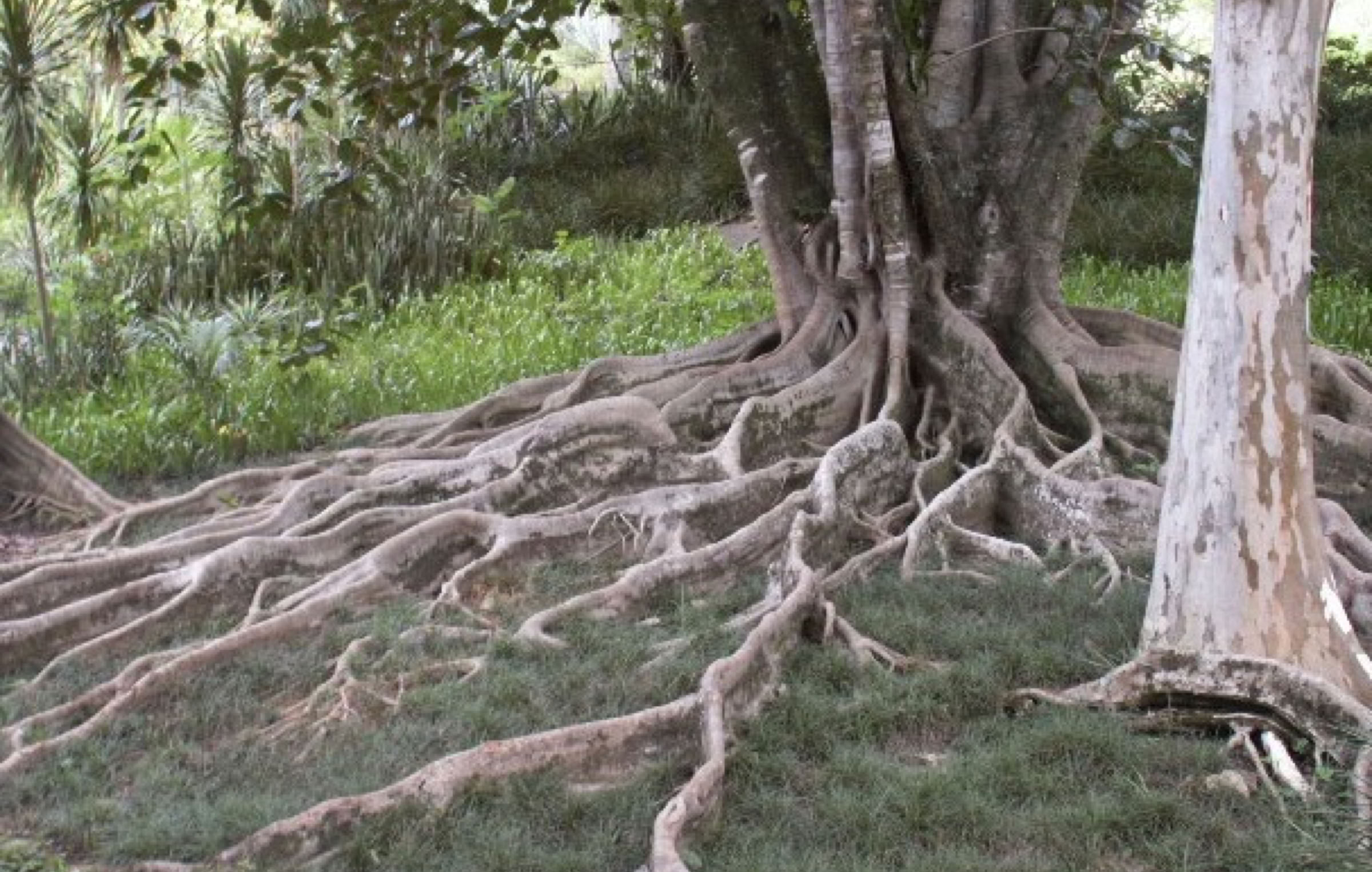
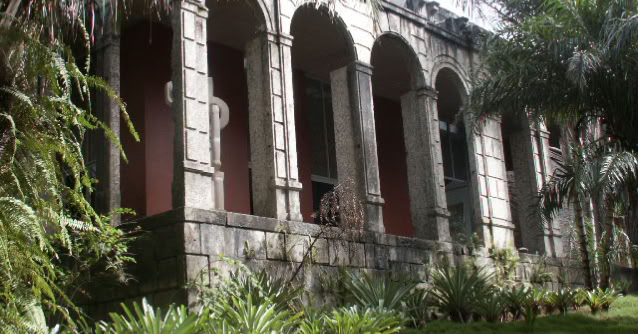
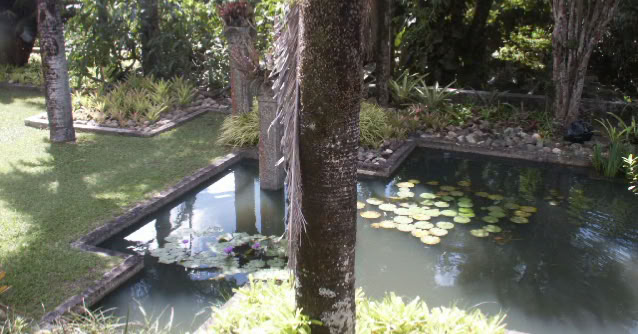
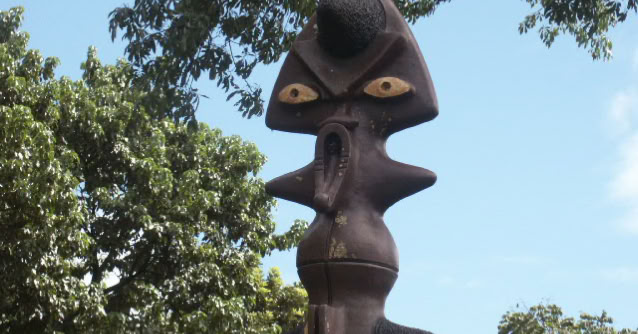
SÍtio Burle Marx, Guaratiba, Rio de Janeiro
Colóquio internacional 2004
Global Studies: Culture Nature
GLOBAL STUDIES: CULTURE/NATURE - REPORTS
The Culture/Nature study program is developed within the context of the Brazil-Europe organization through the Academy of Cultural Studies and Science of Science (ABE). Since cultural analyses are primarily conducted through music, due to its capacity to act upon psycho-mental processes, the Culture/Nature program also influences the work of the Institut für Studien der Musikkultur des portugiesischen Sprachraumes (e.V. 1985).
Through the analysis of inter- and transcultural processes in global contexts, this research seeks to contribute to the clarification of conceptions of the world and of humanity conveyed in cultural expressions. These studies require overcoming disciplinary boundaries and considering the relationships and interactions between various spheres of culture and knowledge. Their scope is to overcome anthropocentric views and convictions, promoting an ethics that necessarily includes the protection of nature and respect for animal life.
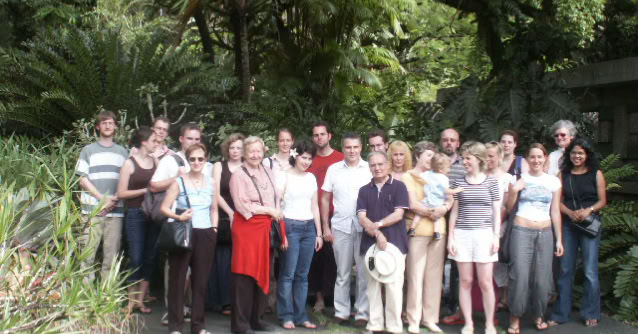
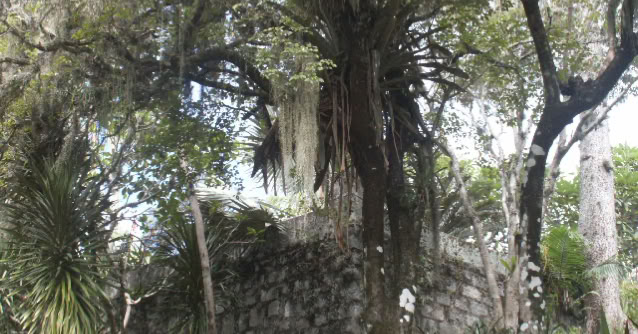
Sítio Burle Marx, Guaratiba, Rio de Janeiro 2004
Global Studies: Culture/Nature
Photo: A.A.Bispo©
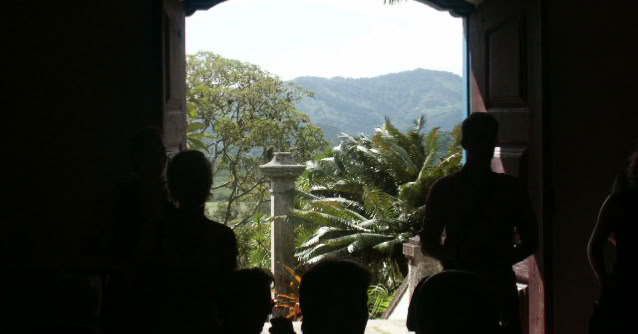
Sítio Burle Marx, Guaratiba, Rio de Janeiro 2004
Global Studies: Culture Nature
Photo: A.A.Bispo©
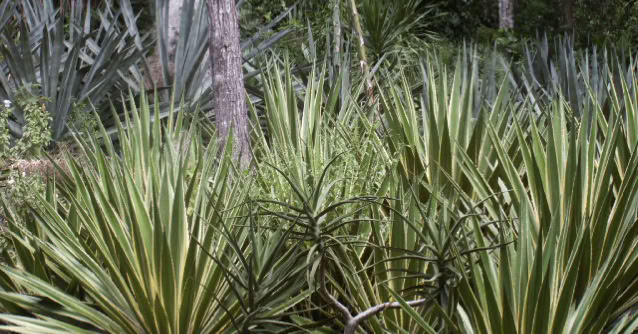
Sítio Burle Marx, Guaratiba, Rio de Janeiro 2004
Global Studies: Culture/Nature
Photo: A.A.Bispo©
Sítio Burle Marx, Guaratiba, Rio de Janeiro 2004
Global Studies: Culture/Nature
Photo: A.A.Bispo©
Sítio Burle Marx, Guaratiba, Rio de Janeiro 2004
Global Studies: Culture/Nature
Photo: A.A.Bispo©
Sítio Burle Marx, Guaratiba, Rio de Janeiro 2004
Global Studies: Culture/Nature
Photo: A.A.Bispo©
Sítio Burle Marx, Guaratiba, Rio de Janeiro 2004
Global Studies: Culture/Nature
Photo: A.A.Bispo©
Sítio Burle Marx, Guaratiba, Rio de Janeiro 2004
Global Studies: Culture/Nature
Photo: A.A.Bispo©
Culture and Nature in North-South Relations in the Americas. Temperate rainforests in Alaska and tropical rainforests in Brazil. Interagency Center, Tongass National Forest, Ketchikan ➢
Open-air museums of indigenous culture. Saxman Village’s Totem Park in Alaska ➢
Gold Routes: Minas and the Klondike. Approaches to seemingly impossible parallels. Ten years on from the ‘Gold Route’ colloquium on intercultural studies held in Parati to mark the 450th anniversary of Rio de Janeiro➢
The totem pole and the ‘wonderful cities’. Issues of urban landscaping considered in the Indian Totem Poles at Stanley Park in Vancouver. To mark Rio de Janeiro’s 450th anniversary ➢
Niagara & Sugarloaf Mountain. North America and Brazil’s former capital in political and cultural processes: the First World War as a point of reference. Study programmes in Canada and the USA to mark the 450th anniversary of Rio de Janeiro ➢
Sugar Loaf Mountain and Brazil’s image in its portrayal within international political contexts. Germany/Brazil on the Skyline and the Whirlpool Aero Car at Niagara ➢
Sugar Loaf Mountain in European perceptions of Brazilian culture. Views and perspectives in painting, photography and travel literature: K. Oenike (1862–1924), A. Funke (1869–1941), K. Guenther (1874–1955) and others ➢
Toronto – home to Sir Henry Pellat’s (1859–1939) ‘Casa Loma’ – and Rio de Janeiro. Canadian ventures in Brazil within their cultural context. Heitor Villa-Lobos (1897–1959) in concert at Casa Loma in 2015 ➢
Rio de Janeiro, the ‘City of Light’. Light & Power Company Ltd. and metaphors of light. The Niagara Falls hydroelectric project and its implications for Brazil ➢
Dance and nature in Rio. The perception of beauty and the expression of one’s true self through the liberation of the body. Remembering Maud Allan (1873–1956) at Church Village in Toronto ➢
Amirante and Mascarenhas: the significance of their names. The Indian Ocean islands in Portuguese voyages, discoveries and missions – the struggle against Islam and the conversion of the King of the Maldives under Dom Pedro de Mascarenhas (c. 1484–1555) ➢
Mahé de La Bourdonnais (1699–1753) and cassava in the Indian Ocean – its rejection and imposition. Brazil in the context of colonisation and the history of slavery in the Mascarene Islands ➢
Archival science and Creole studies. Symposium at the National Archives of Seychelles in Victoria, Mahé ➢
Culture and agriculture as a universal art – philosophy, ethnographic studies and the acclimatisation of plants in colonial history. A tribute to Pierre Poivre (1719–1786) at the Jardin de l’État in Saint-Denis and in Port Victoria ➢
Brazil and the Indian Ocean in landscape painting: Adolphe Martial Potémont (1827–1883) and Charles Merme (1818–1869). *La Baie de Guanabara* and *Paysage du Madagascar*. The Comoros Islands or the Amazon? Studies at the Musée Léon-Dierx, Saint-Denis ➢
Tropical nature, joy and light: Gérard Devoud – a colourful tribute from the Seychelles to Rio de Janeiro. Exhibition at the Val Mer Art Gallery, Baie Lazare, Mahé ➢
Living in harmony with the tropics: Gérard Devoud – a tribute to the Creole home. The immutability of architecture as the art of space in a timeless realm. Symposium at the Val Mer Art Gallery, Baie Lazare, Mahé ➢
Coconut palms from the beaches of the Maldives, born in the paradise of the Seychelles. Coconut-crackers in India and beach coconuts in Brazil. Studies at Mont Fleuri Garden and the National Biodiversity Centre at Barbaron, Seychelles ➢
Guanabara in Madagascar? The great Malagasy bay with Sugarloaf Mountain and its city ➢
Traveller’s trees, jacarandas, jackfruit trees and guava trees. Flora and fauna in Madagascar and Brazil, environmental degradation and conservation projects ➢
Comparative folklore and ecology. The Kalanoro of Mont Passot in Nosy Be and the Brazilian Curupira ➢
The Sakalava in Madagascar: Luiz Caldas and Margareth Menezes’ "Olodum" discussed in Nosy Be. Research on Popular Music in Transcultural Processes and World Music 2015 ➢
Carl F. P. von Martius in the Amazon: an analysis of accounts ➢
On the Evolution of a City in the New World. Ontogenesis, Phylogenesis and Biogenetic Recapitulation in Rio de Janeiro. Evolutionary Cultural Anthropology and Social Darwinism ➢
‘The Metamorphosis of Rio de Janeiro’ by the Brazilian Vice-Consul in Antwerp at the International Geographical Congress in Geneva on the Centenary of the Opening of the Ports (1908) ➢
Rio de Janeiro and the routes of penetration into Brazil in the country’s representation in Europe during the tenure of Afonso Pena (1906–1910). Railways in Belgium and the Mission Brésilienne d’Expansion Économique ➢
The sewerage system in Rio, drainage systems in Antwerp and the sewerage system in Brussels ➢
Climatology in the service of Brazil’s reputation and colonisation. Geography at the French Mission for Economic Expansion in Antwerp ➢
Três Arroios (RS). Wood and stone. Our Lady of Lourdes and the Pietà in European settlement of remote forest regions. Conservative approaches in colonial craftsmanship – Trust! ➢
Palmas (PR). A record of problematic human, social and environmental situations in regions undergoing expansion. Indigenous peoples and the missionary priorities of German Franciscans in Paraná. Reflections at the People’s Forum in Werl, Westphalia (2014) ➢
Canoinhas (SC). Green gold, logging, settlement, social justice and mission. German Franciscans versus ‘fanatics’ in the Contestado War. Contradictions with current positions? ➢
Reflections on the transmission of Classical Culture: the "Naturalis Historia" ➢
Carl Friedrich Philipp von Martius’s 1817 Journey through Brazil: an analysis of accounts ➢
In the Light of Danzig/Gdansk: Brazil’s exploration of hidden aspects of European history. The Eastern Sea and the Central European Mountains linked to the Atlantic (Amber Project). Conclusion of the 2013 A.B.E. proceedings ➢
Georg Markgraf (1610–1644) and the "Historia Naturalis Brasiliae" in the context of the scientific and cultural history of Germany, the Netherlands and the Baltic region. Marking the 375th anniversary of the expedition to Pernambuco
Altenberg/Saxony. The Ore Mountains, Saxon Switzerland and Brazil in Christmas traditions in regions with a German colonial past and in history: Georg Markgraf (1610–1644) of and in Liebstadt, ‘German of Meissen’ ➢
Stettin/Szczecin. Medicine and the Sciences in Pomerania in relation to Brazil. Lorenz Eichstaedt (1596–1660) as a teacher of G. Markgraf within the German medical tradition of Daniel Sennert (1572–1637) in Wittenberg ➢
Danzig/Gdańsk. Astronomy in the navigational centres shaped by the Dutch influence in the East Sea and Brazil. Lorenz Eichstaedt (1596–1660) in Danzig/Gdańsk, the city of Johannes Hevelius (1611–1687) ➢
Rostock/Warnemünde. Simon Pauli (1603–1680) in the medical tradition of the University of Rostock – home to Germany’s first Society of Natural Sciences – and his links with Brazil through his pupil Georg Markgraf ➢
Copenhagen. Flora Danica: from porcelain as a cultural asset of Denmark to the history of science and its links with Brazil. Botany in the German-Dutch-Danish connections of Simon Pauli (1603–1680), tutor to G. Markgraf ➢
Danzig/Gdansk. The air and light of the Baltic Sea in German landscape painting, Danzig/Gdansk and the image of Brazil in the work of Eduard Hildebrandt (1817–1868) ➢
The watercolours of the painter and violinist Curt Agthe (1862–1943) in Elisabeth Krickeberg’s (1861–1944) celebration of indigenous art – the colours of a northern painter fascinated by Italy, rendered in shades of the ‘Schubertian’ Germanic atmosphere of Rothenburg ob der Tauber ➢
The watercolour rendering of a photograph of Tuyuka do Uaupés by Theodor Koch-Grünberg (1872–1924), created by Curt Agthe (1862–1943), and the aesthetic sensibility of the indigenous people according to Elisabeth Krickeberg (1861–1944), in the light of early 20th-century ideals of beauty and fashion ➢
German culture in family-oriented circles in early 20th-century Germany and German colonies in Brazil. “A German Jubilee in Brazil” in *Die Gartenlaube* (1900): 50 years of Blumenau and Joinville, and the establishment of the Hansa Colony by the Hanseatic Society ➢
Vittel. Light on Flowing Waters I: Culture in the revitalisation of spa resorts and the museology of thermalism. Reflections from Caxambú revisited in Vittel ➢
Vichy. Light on Flowing Waters II – Aquae Calidae in France and the Virtuous Waters of Minas. The French hydrotherapy capital: its political context and its influence in Brazil. Reflections from Lambari revisited in Vichy ➢
Clermont-Ferrand. Around ‘Volcanic Brazil’. Brazilians in Central France and the memory of relationships. In search of an understanding of romantic visions: the volcanoes of France and the Amazon ➢
Hyelzas/Tarn – Ecomuseums in different contexts: Alcogida in Fuerteventura and La Ferme Caussenarde d'Autrefois – the Cévennes National Park as a UNESCO World Heritage Site ➢
Béziers and Naurouze. The Canal du Midi – the Canal of the Two Seas – and the division of waters between the Mediterranean and the Atlantic: its historical significance, its symbolic importance and its contemporary relevance ➢
Cappadocia in the Euro-Brazilian research into common foundations for images within a supranational, interreligious and trans-epochal cultural edifice guided by light and spirit ➢
St George and his white horse in the ‘church of the serpents’ in the land of beautiful horses ➢
St Theodore Tiro and Theodore Stratelates, recruit and general, ‘blacksmith’ and warrior ➢
Saint Barbara in the darkness of the underground world of the Cappadocian caves ➢
Roses from Turkey and roses from Brazil. The flower of love in Islamic mysticism and the Western Christian tradition, with their global implications. Intercultural reflections on the First Rose Exhibition at Moers Castle Park, Germany ➢
Brazil in the travel diaries of Emanuel Karl Heinrich Schmysingk von Korff (1826–1903), a native of East Prussia and son-in-law of the composer Giacomo Meyerbeer (Jakob Liebmann Meyer Beer, 1791–1864): ‘How small man is in the face of the grandeur of nature!’ Prussian reflections on the relationship between Nature and Man in South America, influenced by the treatment meted out to Pedro II ➢
The acclimatisation of Europeans to the tropics and the Pomeranians in Brazil. 100 years since the journey of the German-Chilean economist Ernst Wagemann (1884–1956) to Espírito Santo
Empirical studies of German settlements in Espírito Santo and demodynamics in the empirical business cycle analysis of Germany ➢
Settlement and depopulation, German colonisation and the disintegration of indigenous communities in Espírito Santo, against a backdrop of religious and cultural tensions between settlers from Santa Isabel and Azoreans from Viana ➢
From the mountains of Europe and the plains of Pomerania to Santa Leopoldina in Tyrol ➢
Housing and the environmental conditions of Germans in Espírito Santo as indicators of cultural continuity and resistance to change in colonial processes regarded as successful ➢
The customs and traditions of Germans in Espírito Santo as expressions of cultural continuity and resistance to change in colonial processes regarded as successful ➢
Unbridled ambition behind a stern exterior? The character of the German-Brazilian in the light of the European reception of "Canaã" by Graça Aranha (1868–1931) ➢
German settlement in the Alta Sorocabana region in the 1930s: its political and cultural impact. The 50th anniversary of the death of Paul Wilhelm Eduard Vageler (1882–1963)
Baltic port cities as ‘gateways to the world’ and colonial expansion in Brazil. The survey of lands in São Paulo and southern Mato Grosso in the light of the Prussian tradition of soil and agro-economic studies ➢
The colonial activities of the São Paulo-Mato Grosso Transport Company in the context of German-Brazilian expansion and the shift in German emigration from southern Brazil to São Paulo ➢
The São Paulo-Mato Grosso Transport Company’s colonisation strategy and its environmental impact: the destruction of the forests of São Paulo and southern Mato Grosso ➢
An analysis of imagery from the humanist tradition relating to Cape Verde. The Hesperides and the Gorgades in the symbolic geography of antiquity and their relationship to human worldviews. On the motif of the weeping woman in ancient culture ➢
Ribeira Grande de Santiago – intangible values amidst material deprivation. Issues surrounding the conception of cultural and architectural heritage in transatlantic historical contexts marked by the problems of slavery and environmental degradation ➢
The urban history of Porto Grande in the context of global political and cultural developments and its relations with Brazil
The Church of Nossa Senhora da Luz as the religious centre of the village of Porto Grande and the tradition of Luz de Tavira/Algarve ➢
The town named after D. Rodrigo de Souza Coutinho (1755–1812). From an inter-Atlantic attempt to settle the island of São Vicente with people from Madeira and the Azores to inter-island colonisation and the establishment of a commercial hub linked to the metropolis ➢
Leopoldina: the city named after Brazil’s first empress in Cape Verde, in the context of Austria’s involvement in scientific and cultural policy in the Atlantic region during the Restoration ➢
Mindelo: the city named following a historic decree by King Pedro I/IV and British Liberalism, and its architectural repercussions in the Portuguese colonial sphere in the Atlantic ➢
The Belém Tower in Lisbon and Mindelo. A symbol of the sense of ‘the whole of Portugal’ in colonial Cape Verde. Current shifts in meaning and parallels with the morna ➢
The ideal of the educational process in Wilhelm von Humboldt (1767–1835) in terms of its theoretical foundations, drawing on ancient philosophical thought ➢
On the reception of Bertrand Russell (1872–1970) in Brazil: A scientific perspective on clarifying the nuclear risks to humanity versus religious obscurantism in the name of a spiritual conception of humanity ➢
Science meets Faith: Religion in contemporary university life in Cambridge and Bertrand Russell’s (1872–1970) critique of religion as a factor hindering the development of humanity and science ➢
According to Baruch Spinoza (1632–1677), the aim of the state is freedom ➢
The North Cape. The North Cape as a subject of Cultural Studies. The fascination with journeys to the North as an international phenomenon and the links between Nordic research and the history of science in Brazil. August Christoph Carl Vogt (1817–1895) and Louis Agassiz (1807–1873) ➢
North Cape. Brazil’s presence at the North Cape: Rio de Janeiro’s Christ the Redeemer in children’s expressions of a logocentric worldview The Children of the Earth Prize ➢
Lofoten. The northernmost fishing villages on the globe shed light on international trade links and obscure dietary customs. The routes taken by cod to Italy, Portugal and Brazil, and the image of Piscis Australis ➢
Trollstigen. The Trolle in Norway and the Curupira and Caiapora in Brazil. From folklore to an analysis of the cultural construct and its transformations through a transnational lens ➢
Stavanger. Seeing through listening and listening through seeing in the transformations of the cultural building. From historical references to empirical knowledge, as exemplified by St Swithin (c. 800–862), to the ‘auricular cartilage’ of the Nordic Protestant Baroque ➢
Ålesund. The power of the land in the reconstruction driven by national aspirations. Exploring the Nordic capital of Art Nouveau ➢
Research, Education, Economics and Social Processes in the Far North. Mobility in relation to Gender – Extractive Industries and Indigenous Cultures. University of Tromsø ➢
Leonardo Ferreira Kaltner (UFF). Notes on the biography of the naturalist Carl Friedrich Philipp von Martius ➢
Horst Missfeldt (Schleswig-Holstein). The Missfeld Family’s Journey to Brazil and Willi Missfeld’s "Memories of the Brazilian Forest" (c. 1935) ➢
The City of Arts and Sciences and the illumination of minds. Interpreting the images and meanings of the old building through the lens of the world and humanity, exploring their connections with time and space in the architecture and city of the present and its dimensions ➢
Navigation in the flagship programme of the Marseille Stock Exchange and Chamber of Commerce. Euthymenes in the light of the paradigm of the Navigator who comes from the Ocean and West Africa, according to images from ancient symbolic geography. From Dionysus and Esus ➢
Trade in the flagship programme of the Marseille Stock Exchange and Chamber of Commerce. Pytheas and the northern route to Thule in the light of Hermes, through a blend of imagery and historical facts ➢
The travelling merchant in the Western night, the moon and light in sign language. From the cult of Artemis in Greek island colonies to Athena and Notre-Dame de la Garde ➢
The dissemination of the knowledge of the Invincible and the sun as a luminary in sign language. From the worship of Apollo Python by Greek seafaring merchants to Saint Victor of Marseille ➢
Maritime trade in Sino-Western cultural processes. Encounters between traditional expressions of Chinese and Portuguese seafarers: the Virgin of the Waters and Queen of the Skies on the Chinese coast. 10 years of the Ningbo–Santos twinning ➢
Buddhism in Sino-Western relations: possibilities and challenges of a path towards cultural rapprochement. Divine Compassion in the Far East and Our Lady of Mercy. Guanyin at the Lama Temple in the Palace of Peace and Harmony ➢
Museum of the Old Beijing Observatory. Astronomy in Sino-Western relations, its role in scientific thought and its significance for Cultural Studies ➢
Scenic World. Discovering the undiscovered, and the undiscovered revealing itself. A monument to Aboriginal expressions of welcome in the Blue Mountains. From Korrobori (Korroberye, Corroberie, Corroboree) ➢
Country life and sugarcane plantations in Brazil and the South Pacific. Franco-British cultural interactions, interregional relations, and manifestations of cultural tensions, crises and imbalances. A forgotten source: Jules Garnier’s "Voyage à La Nouvelle-Calédonie" (1863–1866) ➢
The ‘Sleeping Giant’ in Brazil and Fiji. Cultural Studies and Nature: reflections on the legacy of Raymond Burr (1917–1993) ➢
Jean-Marie Tjibaou Cultural Centre, New Caledonia. Unveiling the hidden meaning of plants in the Kanak tradition and the creative process. ‘The Plant Man’ in New Caledonian art in the light of the Plant Union movement in Brazil ➢
Venice of the East I. Drawing on images and reflecting on Recife: the Most Serene Republic on the Adriatic and the city on the waters of the Menaam – Culture/Nature, trade and international relations ➢
Venice of the East II. Memories, images and the enduring legacy of Ayutthaya in Bangkok. The Portuguese in Siam and processes of internationalisation ➢
Menam – Mother of Waters. The Immaculate Conception and the Rosary in Luso-Siamese culture. Dominican spirituality and the interplay of images: the Chinese in the ‘City of Angels’ ➢
Land rising from flowing waters, the mountain and the axis in the edifice of concepts and images of Zion and the West ➢
Tulcea. The Danube Delta and the Amazon Delta—comparisons in light of the Culture/Nature dichotomy, given the transcontinental dimensions of the “Danubian cultural cluster” ➢
Histria. The Archaeology of Cultural Processes in the World of Greek Colonization of the Black Sea and Their Impact on the Cultural Heritage of the West ➢
Ion Corvin and Dervent - The Christianization of the Black Sea region and the significance of imagery in the hagiographic tradition: the cave of Saint Andrew of Ion Corvin and Saint Andrew “of the Field's Edge” in Brazil ➢
Teplice-Sanov/Teplitz-Schönau. The Savage by Johann Gottfried Seume (1763–1810) – From Experiences in America to the Image of the Native American with Noble Feelings ➢
Prachvoské Skály/Prachauer Felsen. Bohemia and the “Bohemians” in Paris and Rio de Janeiro. Théophile Gautier (1811–1872) and the “beau sauvage” Artur de Oliveira (1851–1882) ➢
Horice. The National in Music and Its Links to Political and Cultural Developments in Central Europe I: The Political Consciousness of Bedřich Smetana (1824–1884) ➢
Herrenhausfelsen. Music and nature: the stone organ as a national monument ➢
Einar Jónsson Museum (1874–1954). "A pensive hermit rising from the sea between Europe and America." The image of Iceland in the visual arts and the role of culture in international relations and diplomacy ➢
Pingvellir. The separation of Europe and America on Icelandic soil and narrated accounts of people who crossed the sea. Alpingi and the Law Stone as foundations of national identity ➢
Hveragerdis, Bláa Lónid, Haukadalur, and Laugarvatn. The image of Iceland and its natural environment in the past and present. Changes in the perception of natural heritage, with special consideration of geothermal sources and geysers. Carl Gottlob Friedrich Küchler (1869–1945) and Robert Bunsen (1811–1899) ➢
Gulfoss. The Lost Seven Falls and the Golden Falls of Gulfoss. An example from Iceland for Brazil: Sigríur Tómasdóttir (1874–1957) ➢
Gardar, Akranes. Gardar Museum Complex. The Ocean in Icelandic Life and Transatlantic Ties. Religious Song in the Domestic Life of Communities Shaped by the Sea ➢
Snorrastofa, Reykholt – Research Center and historical site in Reykholt. Snorri Sturluson (1179–1241) – The Discovery of America in the Saga of Olaf Tryggvason in "Heimskringla". Saga-related events – Nordic traditions (Snorralaug) ➢
Pangim Cathedral. The waters of the Mandovi flowing into the Arabian Sea and the veneration of the Immaculate Conception in India: Mermaids, shrines, and nymphs in Goa ➢
Church of Santa Ana/Talauli. From the numinous atmosphere of the lowlands ravaged by the monsoon to the phallic connotations of the Festival of the Cucumbers in Santana de Talauli(m) – a monument of Indo-European Baroque ➢
Halifax. Public gardens. Gardens, bands, and bandstands in urban life and their connections to Scotland, Ireland, and England. By The Canadian Naval Centennial 2010 ➢
Québec. Jeanne d'Arc Garden. Landscape Architecture and Identity in Franco-English Intercultural Contexts and Their Relationship to the Image of Man in the Paradigm of Joan of Arc ➢
Montreal. Marguerite Bourgeoys Museum. Sea and Rivers in Canada–Brazil Cultural Studies: Shared Imagery Traditions as Exemplified by Notre-Dame-de-Bon-Secours ➢
Boston. The Peabody Museum, Harvard University. Brazil in the Collections of Harvard’s Peabody Museum: Louis Agassiz (1807–1873). Questions of Continuity in Light of the “Storied Walls” Exhibition ➢
Bar Harbor. Acadia National Park, Maine. The Amazon and Arcadia: Culture and Nature in Mythological Associations of Humanism on the American Continent and Their Significance for the History of National Parks and Landscape Architecture ➢
Bar Harbor. The Abbe Museum I. In the Service of Celebrating Indigenous Heritage: Cycles, Circularities, and the Spherical in the Indigenous Universe: Brazilian and North American Perspectives ➢
Fort Canning Botanical Garden and the National Museum. Culture, Nature, and Legal Issues in Brazil-Southeast Asia Relations: 1) Alfred Russel Wallace (1823–1913); 2) José d’Ameida Carvalho e Silva (1784–1850). Background to the introduction of Hevea brasiliensis in the British colonies in violation of procedural norms in international relations ➢
Brazilwood and Sandalwood: Brazil and Hawaii in the history of the destruction of the natural world following contact with Europeans, and efforts to restore degraded areas in a sugar-growing region settled by Portuguese immigrants. The Hawaii Tropical Botanical Garden ➢
Volcanoes in the history of cultural transformations in the Pacific and the Atlantic. Hymns in the desacralization of Kilauea by Chief Kapi'olani (ca. 1781–1841) and the significance of the cult of the Holy Spirit in the volcanic context of the Azores ➢
"The soul's loose strings in the serenity of Hawaiian and Brazilian nights." Serenades and serestas in different contexts and their musical-anthropological implications ➢
Tahiti and Brazil in the History of Anthropological Concepts: The Issue of the "Noble Savage" and Its Manifestations in Contemporary Cultural Representations ➢
French Polynesia in the Cultural History of Botany and Natural Restoration Landscaping: The Vaipaihi Water Garden as a Model ➢
Tahiti, the Caribbean, and Brazil in the history of transcontinental relations and their connections to plant transplants. Breadfruit in the Bounty’s adventure and the image of the jackfruit in Brazil ➢
Bora Bora and Brazil: "The Romantic South Sea" in its transformations and expansions: from the coconut trade to the spread of coconut palms ➢
Moorea and Rio de Janeiro in the history of scientific observation and aesthetic sensibility. The role of Tahiti in the development of American studies. Georg Forster (1754–1794) and Alexander von Humboldt (1769–1859) ➢
The pineapple as Brazil’s gift to Tahiti. From the indigenous peoples’ beloved wandering plant to the golden fruit of the Island of Venus ➢
Essen: "Atoll of Art and Science" and the continuation of the "Apocalypse of the Amazon" project ➢
"Shared Experiences" and Germans in the History of Cultural Tourism in Brazil. Friedrich Riemer: In Itatiaia ➢
The Economic Value of Scientific Research Findings in Cultural Journalism. Von Falkenberg: The Babassu Palm, a Vegetable Goldmine ➢
Culture and Nature in Human Perspectives: Île de France and Brazil. "Paul et Virginie" by B. de Saint-Pierre (1737–1814) and "Inocência" (1872) by the Viscount de Taunay (1843–1899) ➢
From the East to Brazil via the Île de France: Cloves, Nutmeg ➢
From French Guiana to Île-de-France and Brazil: The Royal or Imperial Palm ➢
The Indian Ocean in the History of British Nature Observation: Charles Darwin in Mauritius ➢
From British Guiana to Europe and Mauritius: Victoria Regina ➢
English ironwork at the Indian and Pacific Botanical Gardens ➢
Álvaro Duarte. Burle Marx and His Origins ➢
Manuel de Araújo Porto-Alegre, Baron of Santo Ângelo (1806–1879) as seen through the lens of Alexander von Humboldt (1769–1859). Nature through the mysterious lens of the heart ➢
Culture and Ethics from the Perspective of Intercultural Studies in the Context of Franco-German Relations and Their Impact on the Southern Hemisphere. 1969–2009: 40 Years of Efforts to Renew the Theoretical Framework of France–Brazil and Germany–Brazil Studies ➢
Haut-Andlau. The Crisis of Culture and Its Ethical Causes. A Reexamination of the Philosophical and Cultural Analyses of Albert Schweitzer and "The Spirit of the Cathedrals" by Paulo Duarte (1899–1984) ➢
Obernai. French Catholic Perspectives: Evolutionary scientism as a cause of Pan-Germanism and ethical-cultural regression. Paul Bourget (1852–1935) versus Ernst Haeckel (1834–1919) ➢
Mittelbergheim. The Integration of Ethics into Everyday Culture and the Ethics of Respect for Life in Africa and Brazil. The Role of Women in Promoting and Realizing the Ideals of A. Schweitzer ➢
Burnie. Veneratio vitae: Relationships between Humans and Other Living Beings in Ethics. The Significance of A. Schweitzer’s Thought for Colonially Formed Countries Marked by the Destruction of Nature and the Extinction of Species: Brazil and Australia ➢
Porto Alegre, Rio Grande do Sul. Music Education in the Service of Ethics. Lecture from the inaugural session of the Federal University of Rio Grande do Sul’s online Bachelor’s degree program in Music Education ➢
Darwin Year 2009: The Theory of Evolution and the Theoretical-Cultural Perspective in International Contexts: Europe-Brazil-Australia ➢
Sydney and Darwin in Australia and Brazil. Popular literature and intercultural historiography: Victor Wolfgang von Hagen (1908–1985) ➢
Adelaide. A Taste of the Amazon in Adelaide: Victoria Regia. Robert (1804–1865) and Richard Schomburgk (1811–1891) ➢
Adelaide. Australia and Brazil in the History of Evolutionism and Evolutionary Concepts in Anthropology and Sociology. Ladislau Neto (1838–1894) and Eunápio Deiró ➢
Melbourne. The Victoria Regia and its significance for architecture and the cultural history of industry and commerce. Joseph Paxton (1803–1865) and the Crystal Palace ➢
Melbourne. Australia and Brazil in Darwin. Brazil’s role in the development of the Theory of Evolution ➢
Melbourne and Sydney. Evolutionism and Religion. Reflections in Australia on a Bible-based Prehistory in Brazil: Raymundo Ulysses de Pennafort ➢
The Naturalist in Transcontinental Contexts in the 19th Century: Thomas Belt (1832–1878). "...the contemplation of nature...is one of the great sources of happiness" ➢
German-Brazilians in the History of Evolutionary Theory. Johann Friedrich Theodor Müller (Fritz Müller) (1822–1897) ➢
Interoceanic routes and the Amazon Valley. Views of the rainforest and cosmopolitan developments ➢
Coffee in the cultural studies of Costa Rica and Brazil: connections and paradoxes ➢
Musa sapientium: The Banana in Cultural History and the Banana as an Allegory ➢
"Integrating the Past into the Present." From allegory to nature in theatrical reconstruction. Connections between Lübeck and Porto Alegre on the 150th anniversary of the São Pedro Theater ➢
Petrohue. Natural and cultural heritage of the Southern Cone. National parks of Chile ➢
Puerto Madryn and Buenos Aires. Latin American consciousness and issues of consciousness: Animal rights as a cultural factor ➢
Similarities between India and the Americas. A lack of compassion for nature is a lack of culture. Rereading Tagore ➢
Vedic Wisdom in the West and Consciousness: Animal Slaughter as a Fundamental Problem of Culture. Considering Prabhupada ➢
Nature’s Priority and the Theory of Culture. 25 Years Since the End of the Seven Falls and 15 Years Since the Rio de Janeiro Earth Summit ➢
The De-spiritualization of Nature and Cultural Theory. 1992–2007. Marking the 15th Anniversary of the 500th Anniversary of the Discovery of the Americas and the 500th Anniversary of the Evangelization of the Americas ➢
The Priority of Nature in the Historical-Genetic Theory of Culture and the Environmentally Oriented Theory of Culture: Differences ➢
The History of Geographical Exploration and the Memory of Nature: Giacomo Bove (1852–1887) and the Seven Falls of Guaíra ➢
Brocken/Harz–Caparaó/Espírito Santo. Goethe Year I Series. Nature as the foundation for philosophical and cultural reflections in international contexts. Harz and Caparaó: A Re-reading of J. W. Goethe’s "The Granite" ➢
Wörlitz. The Expansion and Theoretical-Cultural Significance of English Landscape Architecture. Nature, Culture, and Quality of Life ➢
Eco-cooperation. Palmyos by Paixão Carneiro ➢
Indigenous cultures and the environment ➢
Santa Teresa, Rio de Janeiro. Memory and Heritage Preservation: Culture and the Environment. Princess Teresa of Bavaria and Carl von Koseritz ➢
Rio de Janeiro: Castro Maier Foundation. Chácara do Céu and the Dam Museum ➢
Religion, Culture, and the Environment: Relationships and Changes ➢
Cultural identity, nature, and ecological sustainability. César Manrique Foundation, Lanzarote ➢