GLOBAL STUDIES
CULTURE/NATURE

GLOBAL STUDIES
CULTURE/NATURE
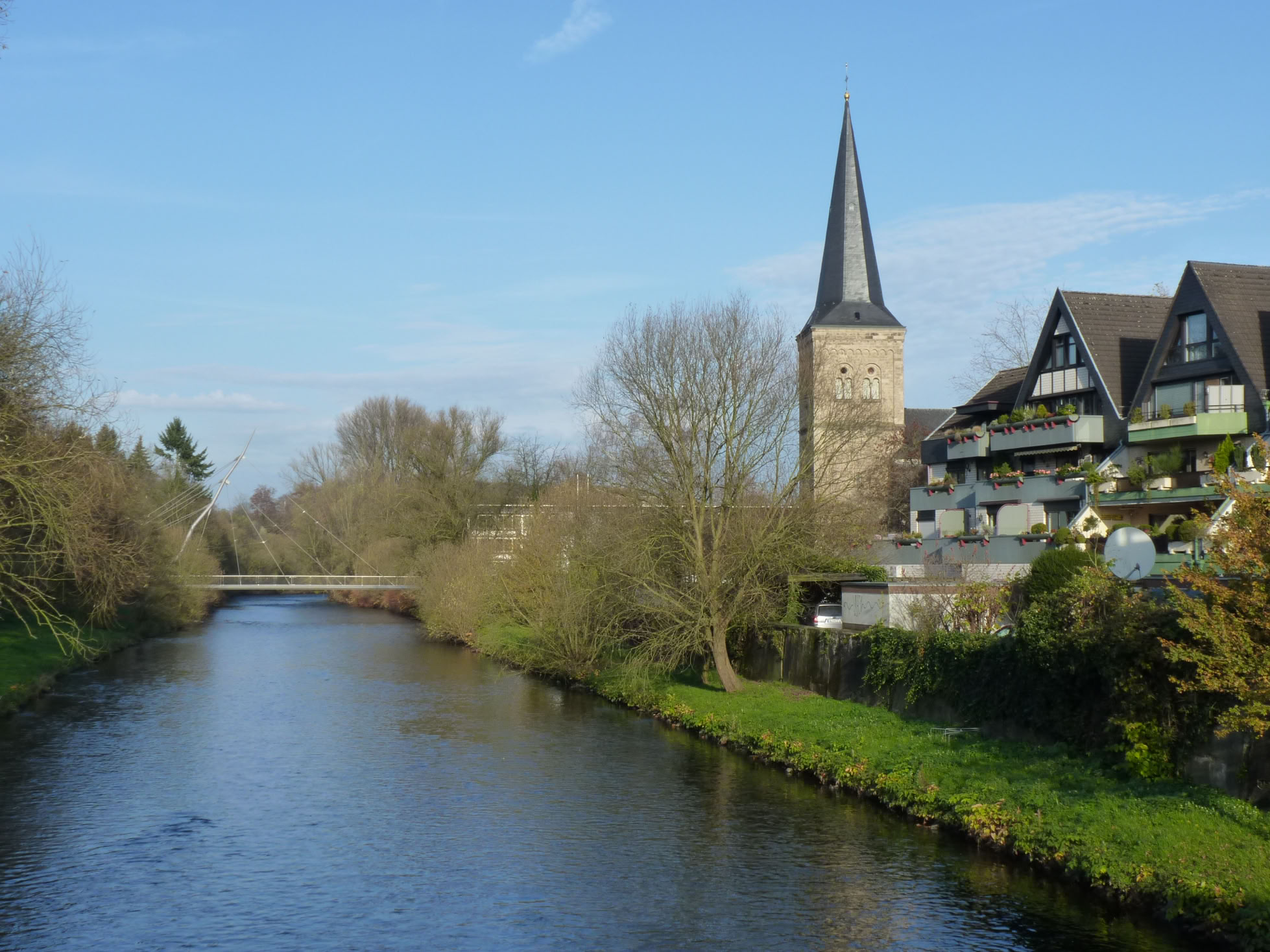
SÍtio Burle Marx, Guaratiba, Rio de Janeiro
Colóquio internacional 2004
Global Studies: Culture Nature
Germany-Brazil Forum on Music and Education
City of Leichlingen
Department of Culture
School of Music
Music Week:
September 26-30, 1981
Director: Dr. Antonio Alexandre Bispo
in cooperation with the
Brazilian Society of Musicology
President: Mtro. Roberto Schnorrenberg
supporters:
Brazilian Embassy in Bonn
Brazilian Consulate General in Düsseldorf
Cologne Institute of Musicology
Cologne University of Music
Rhenish School of Music
Saarland University of Music
Inter-American Institute of Musicology (Montevideo)
German-Brazilian Society
Rio de Janeiro Choral Singing Association
Brazilian Folklore Association
The Germany-Brazil Forum on Music and Education took place in 1981 in Leichlingen, a city in North Rhine-Westphalia, Federal Republic of Germany. It included the German-Brazilian Music Week, which was held from September 26th to 30th. The Forum was the first multilateral event dedicated to German-Brazilian relations in Musicology and Education. It was organized by the city of Leichlingen through its School of Music and Department of Culture in cooperation with the Brazilian Society of Musicology (SBM). The event was held under the auspices of the Brazilian Embassy in Bonn, Germany, and the Brazilian Consulate General in Düsseldorf. The Forum involved the collaboration of several organizations and institutions, including the Institute of Musicology of the Faculty of Philosophy at the University of Cologne, the Cologne University of Music, the Rhineland University of Music, the Association of Music Schools of Germany, the Saarland University of Music, the German-Brazilian Society, the Inter-American Institute of Musicology (Montevideo), the Department of Musical Sciences of the New University of Lisbon, the Brazilian Folklore Association, the Folklore Museum of São Paulo, and the Rio de Janeiro Choral Singing Association. Brazilians residing in Germany collaborated in addressing the themes, in conferences, concerts, and in the organization of an art exhibition.
Self-Images and Reciprocal Images
The Forum's theme concerned the self-images and reciprocal images of Germany and Brazil in studies, public opinion, the press, media, and education in Germany, and the role music plays in them. Meetings and classes sought to discuss stereotypes that mark and restrict views of both countries. These biased portrayals hinder research, multilateral exchanges and cooperation, projects, and the organization of events, with multiple consequences for both sides, which is particularly felt in the different areas of Cultural Studies, Musicology, and Educational Sciences.
The ultimate goal of the Forum was to raise awareness of the need for contextual, regional, and epochal differentiation in overcoming clichés. It sought to highlight the diversity of views and portrayals of both countries from regional and epochal perspectives in overcoming unilateral and reductive conceptions and images. Stereotypes in studies and the arts, in representations of countries at festivals and in education should be questioned, which would also apply to activities, dances and music in migrant communities, of Germans in Brazil and of Brazilians in Germany.
The historical transformations experienced by Germany and Brazil over the centuries, leading to changes in borders and territories, necessarily require that self-images and reciprocal images in different regions and political-cultural contexts also be considered. The projections of images provided by literary and artistic works, by the actions of cultural agents and diplomatic representatives, by political propaganda and the media also contribute to the dissemination of images that come to be seen as characteristic and even ahistorically mutable. The Brazil presented by a scholar like Dom Pedro II in his multiple contacts with scientific and cultural societies, museums and other European institutions, his reserved and serious attitude, differed, for example, fundamentally from images generally associated with Brazil in the present. The same applies to Germany, a country that faced serious problems regarding its image in the period following the Second World War and that sought, through self-criticism, renewals and representations appropriate to new democratic developments.
Performances by national choirs and dance troupes, which glorify scenes from popular life, have served and continue to serve in various countries, even under authoritarian political circumstances, as a means of representation abroad, contributing to the creation of stereotypes. In an undirected manner, images and self-images are also established that do not correspond to the transformations and mutability resulting from cultural processes. Ignoring differences between various regional and social contexts, as well as temporal differences in historical development, these portrayals lead to generalizations and devaluations, to forgetfulness and loss of cultural heritage. Researchers from the Brazilian Folklore Association have long lamented the instrumentalization of folklore for political, religious, and generational purposes, hindering the development of empirical studies and ignoring the transformations of facts considered folkloric.
The image of Germany cultivated and carried by migrants in Brazil bears the mark of the political, regional, and historical contexts of the time in which they arrived. The vast majority came from kingdoms and principalities predating German unification, with their own histories and traditions; others came from regions belonging to other countries, whose borders frequently changed. Understanding Germany or Brazil based solely on their current borders—in the case of Germany, based on the division between West and East Germany at the time of the Forum—often means projecting anachronistic conceptions and visions onto the past and ignoring the mutability of processes that determine changes in self-image and the image of the other.
Recognizing the need to consider contexts and the processes that arise within them implies acknowledging that these processes continue to unfold in a complex dynamic of interactions. Presenting traditional Bavarian dances, music, and costumes as typically German—and therefore also typical of regions in Northern Germany, the Baltic Sea, Meklenburg, Pomerania, and Holstein—is as questionable as presenting Rio de Janeiro samba as having been typical of Acre in the past.
This does not imply a failure to recognize diffusion processes through the intensification of exchanges and means of communication, which lead to predominance and situations marked by cultural unity according to current state configurations. This process should be the subject of analysis, and thus the Forum dedicated itself to discussing the relationship between Diversity and Unity from various perspectives. The primary question raised in reflections on the Unity/Diversity and Diversity/Unity relationships concerns the meaning of Unity. This question constituted a guiding theme not only for the Germany/Brazil Forum but also for all the others in a cycle of international forums inaugurated by it, which concluded in 1985, declared the European Year of Music by the European Communities.
Orientation according to processes
The realization of the Forum and its theme were the result of long-standing developments in thought, theoretical reflections, and practical initiatives in the fields of research and education. The orientation towards processes aimed at overcoming categorizations of objects, transcending boundaries in different senses, inter- and transdisciplinary, inter- and transcultural, was the scope of the Center for Research in Musicology of the Nova Difusão Society, founded in São Paulo in 1968. The relationships between research in the areas of Musicology, Cultural Studies, and Education were, from the beginning, the subject of reflections and experiences in teaching practice. This orientation determined the treatment of ethnomusicological, historical, and aesthetic issues in teacher training and undergraduate courses at the Faculty of Music and Art Education of the Musical Institute of São Paulo, from 1972 to 1974.
The possibilities of a musicological orientation in this theoretical-cultural sense for Music Education were also addressed in other Brazilian states. The discussions were marked by the concept of polyvalence and thus of inter- and transdisciplinarity in the training of educators, leading to an expansion, in many respects questionable, of the Music Degree into a Bachelor's Degree in Art Education. These theoretical debates and experiences continued internationally from 1975 at the University of Cologne. From there, the potential and risks of polyvalence in Art Education were considered, a topic also being discussed in Portugal at that time. These debates, conducted jointly with researchers and educators in Brazil, also preceded the founding of the Brazilian Society of Musicology in 1981.
Differentiation and Diversity
The question of the necessary differentiation of perspectives and the appropriate orientation of society in correspondence with the richness constituted by Brazil's cultural and musical diversity led to the realization of a large-scale project of observations and verification of research and education in a large number of Brazilian states. The results of these observations and the dialogues conducted with researchers and institutions in different regional contexts led to the creation of an audiovisual presentation on Diversity in Musicology and Education in Brazil, which was presented at the opening of the Germany-Brazil Forum. The International Symposium on Sacred Music and Brazilian Culture, held in São Paulo in 1981, had as its motto Unity and Diversity and, also considered by theologians, demonstrated the problems that could result from conceptions of Unity when it is treated from a national-political or ecclesiastical perspective. At the Forum, this debate was to be resumed from other perspectives and foundations.
Guiding Principle: Human Rights
Guiding Principle: Human Rights and Duties
The question of the meaning of Unity in Diversity/Unity relations, of fundamental importance in the debates, was also previously raised and discussed. In colloquia conducted in university circles in Bonn and Cologne, starting in 1978, a conception of Culture, Art, and Education oriented according to Human Rights was reached, also encompassing their Duties. Human Rights, as an ethical principle of a universal nature, would thus constitute the basic criterion for the meaning of Unity in the Unity/Diversity complex. The Lusitanist Thomas Freund (1958-2019), a scholar of the Enlightenment in the Portuguese-speaking world, recorded the results of these debates in a text that became a guiding principle for the work of the Germany-Brazil Forum and those that followed it.
Multilateral Forum and Musicology
The idea for the series of multilateral forums to discuss issues concerning music research in Brazil stemmed from a suggestion by Luís Heitor Correa de Azevedo (1905-1992) (UNESCO) in a speech at the Independence Room of the Paulista Museum on the occasion of the founding of the Brazilian Society of Musicology (SBM).
According to him, the city of Cologne offered ideal contexts for studies concerning Brazilian musical research in international collaborations in Europe. Cologne was already a center for Luso-Brazilian and musicological studies of international renown. The University, the Higher School of Music, and the School of Music or Conservatory of Cologne had long maintained relations with Brazil. These contacts had intensified since 1975, when a group of scholars dedicated to the renewal and development of research related to music in the Portuguese-speaking world and to the institutionalization of a culturally oriented musicology in Portugal and Brazil established themselves there. Ali had presented her dissertation on music in São Paulo, which had led to her being included in the program of the 1981 International Symposium, made possible by the São Paulo State Government's Department of Culture.
One of the leading representatives of German musicology, Karl-Gustav Fellerer (1902-1984), former rector of the University and former director of its Institute of Musicology, actively participated in the founding of the SBM (Brazilian Society of Musicology). The proximity to Bonn, then the capital of West Germany, home to universities, international organizations, and the Brazilian Embassy in Germany, as well as its proximity to the Netherlands, Belgium, Luxembourg, and France, made North Rhine-Westphalia a particularly promising region for cooperation and exchange.
Leichlingen - Forum Headquarters
Among the cities in the Cologne region, Leichlingen offered itself, for several reasons, as a particularly suitable location to house the project for a center dedicated to the study of German/Brazilian relations. The links with Brazil were present in the city's cultural history and were constantly remembered. It was there that Julius Pohlig (1842-1916), the engineer who worked alongside Brazilian engineers on the construction of the Sugarloaf Mountain cable car, was born. His monument stood in the main square of Leichlingen. The choral and instrumental groups of the local Evangelical Church had supra-regional renown, and their conductor dedicated himself to revealing the works of little-remembered composers from the beginning of the 20th century who were part of the same historical and cultural context as Martin Braunwieser (1901-1991), a prominent figure in the history of musicological and empirical-cultural studies, music education, and the Bach movement in Brazil.
Leichlingen established a School of Music that, under Brazilian direction, was open to new musical and pedagogical trends. Among these, those aimed at overcoming conventional repertoires, extra-European cultures, media, and new trends in popular music stood out. The School of Music sought to become an experimental and model center for the application of an inter- and transcultural musical education approach, suitable for the growing cultural plurality in German society.
The School of Music could continue, at an international level, the reflections on an orientation directed towards cultural processes already underway in Brazil. To this end, a biannual Music Week within the Forum would contribute, in which music teachers, instrumentalists, singers, and musicologists would discuss, from multilateral perspectives, the relationships between music research oriented towards cultural processes and Music Education. Instrumental and vocal teaching, as well as the repertoire to be practiced in the School of Music's courses, should be thematically oriented according to the themes respectively addressed in the Forum. Teachers and students would be confronted, in practice, with musical currents from different cultural contexts and their interactions. This procedure should contribute to a broadening of perspectives, the appreciation of cultural diversity, and the overcoming of stereotypes.
Music Week
The Week, as part of the Forum, was introduced on September 25th with a commemorative act at the Julius Pohlig monument, celebrating the bridge then being established between Germany and Brazil. The inaugural session took place in the city auditorium, presided over by Mayor Karl Reul (1922-2015), who highlighted the significance of multilateral perspectives in the musical education of new generations in the face of Europe's socio-cultural transformations with the arrival of immigrants from different countries and the role of media in disseminating music and new ways of life.
Following greetings from diplomatic representatives, the Brazilian Society of Musicology, and the German-Brazilian Society, the theme "Music Pedagogy and Research in Global Processes: Multilateral Relations in an Era of Interactions" was discussed. This was followed by a study by Thomas Freund (1958-2019) entitled On Culture and Art, which highlights the need for a Human Rights-based approach to Cultural Studies, Musicology, and Education.
On September 26th, an exhibition of artworks with Brazilian themes by Luís Antonio de Castro Mendes opened in the foyer of the municipal auditorium. Following this, a multimedia work entitled "Brazil - a country and its music," resulting from the project "Diversity in Musicology and Cultural Studies," conducted during trips to various regions of Brazil in 1979/1980, was presented. The presentation considered aspects of music, culture, and education in the states of São Paulo, Rio de Janeiro, Minas Gerais, Bahia, Alagoas, Sergipe, Pernambuco, Paraíba, Rio Grande do Norte, Ceará, Maranhão, Pará, Amazonas, Paraná, Santa Catarina, and Rio Grande do Sul.
On September 27th, under the title "Music of the World," lectures of a historical and ethnomusicological nature were given, considering Brazil within global contexts and its transformations in space and time. One of these exhibitions dealt with the History of Music from the perspective of German-Brazilian relations, highlighting the need for a historiography focused on processes and valuing diversity. It presented a synthesis of the various themes discussed during the Forum on German-Brazilian relations in different historical periods and in various Brazilian regions and contexts.
On September 29th, a concert commemorating the first anniversary of the Brazilian Society of Musicology was held in the municipal chamber music hall. The program consisted, in its first part, of works by Franz Schubert (1797-1829) - Sonata "Arpeggione" in A minor - and by Heitor Villa-Lobos (1887-1959) - Suite Pequena; in the second part, of works by Edino Krieger (1928-) - Seresta (Homage to Villa-Lobos) - and Johannes Brahms (1833-1897) - Sonata in E minor op. 38 - , performed by Matias de Oliveira Pinto (cello) and Huigiong Suh (piano)
On September 30th, the theme "World Music" continued with a presentation on indigenous music and music from groups of African descent in Brazil, given by Tiago de Oliveira Pinto.
October 1st was dedicated to a presentation by students who had studied works by Brazilian composers. The aim of the performance was to highlight and value a repertoire that is often overlooked in Brazilian music schools and ignored by German listeners. As promoted since 1968 by the Center for Musicological Research in São Paulo, this approach, based on processes that transcend borders, also implies transcending the boundaries of classical and popular music.
Under the title "Salon and Popular Music in the Tropics," the concert, conducted by Sueli Bispo-Steden, opened with compositions by Arthur Napoleão (1849-1925), accompanied by commentary on the significance of this pianist, composer, and publisher, born in Portugal and deceased in Brazil. His work *Estrella Chilena*, Op. 73, served as a basis for considerations on the relationship between domestic musical practice and the music of South American countries. This was followed by the polka *Garbosa* by Aurélio Cavalcanti (1874-1915), which presented the current state of research on this pianist and composer. Other composers considered in the program were Luís Júnior with the modinha *A Flor da Pitangueira*, José Leocádio with the choro *Paraquedista*, and Zequinha de Abreu (1880-1935) – *Tico-Tico no Fubá*, *Choro Sapeca* – which was accompanied by expositions on the modinha and choro within their global contexts.
The second part of the concert was dedicated to more recent popular music. German students presented compositions by A. Carlos Jobim (1927-1994) - samba-canção "É preciso dizer Adeus" and "Chega de Saudade" - João Mello (1921-2010) - "Sambou…" - , Roberto Menescal (1937-) - "O telefone" - , Dorival Caymmi (1914-2008) - "Doralice" -, Baden Powell (1937-2000) - "Deixa" -, Chico Buarque de Holanda (1944-) - "Tem mais samba" -, Toquinho (1946-) - "Como dizia o poeta". These composers had been considered in theoretical classes dedicated to choro, samba, and bossa nova in Brazilian popular music according to the current state of studies.
The closing concert of the Music Week consisted of two parts. The first part was dedicated to compositions by Ernst Mahle (1929-) and Osvaldo Lacerda (1927-2011). Performed by the instrumental ensemble of the School of Music under the direction of Inge and Willi Hopstätter. The aesthetic orientation of these composers within the context of didactic literature was considered above all.
The second part was dedicated to questions of 19th-century historical musicology, exemplified by the "Matins of the Nativity of Our Lord Jesus Christ for 4 voices and small orchestra" by Father José Maria Xavier (1819-1887), a work printed in Munich in 1885. This work – previously presented in Brazil during the International Symposium on Sacred Music and Brazilian Culture – was now to be performed in the country where it was printed by Germans. The event was prepared in the context of Forum sessions dedicated to the History of Music in Brazil, focusing on processes in global contexts. Among the themes considered, studies of the German presence in 19th-century Brazil and the state of research corresponding to musical relations between Brazil and Germany were highlighted. The significance of a research trip to cities in Minas Gerais undertaken in 1969 by representatives of the Center for Research in Musicology of the New Diffusion was recalled, aimed at developing reflections and studies on the need for a renewal of research through a scientific-cultural orientation directed at processes.
Germany/Brazil and the Christmas Cycle
The work that concluded the Week – José Maria Xavier's Christmas Matins – served to introduce the final sessions of the Germany-Brazil Forum in December. Since it ended during Advent, the themes considered were dedicated to aspects of Christmas cycle traditions in both countries and their educational dimensions. The study began with Gregorian Chant at Christmas, discussed from the perspective of popular traditions and performance practices studied in empirical research in various regions of Brazil. The central interest of the sessions was the traditions of the Christmas cycle in Brazil in parallel with German traditions and their educational implications. These debates revisited a theme addressed in 1971 in Alagoas during Christmas time by representatives of the Brazilian Folklore Association and local researchers.
The sessions included a tribute to Martin Braunwieser (1901-1991) on his 80th birthday. During the conference, his work as a researcher of popular Christmas cycle traditions within the Mission to Northeast Brazil in the 1930s was considered, along with its consequences for his activity as a composer, responsible for music in kindergartens in São Paulo, which was pioneering and exemplary in many aspects for its time, as well as his work as a teacher in music education teacher training courses.